Robot Jump Challenge
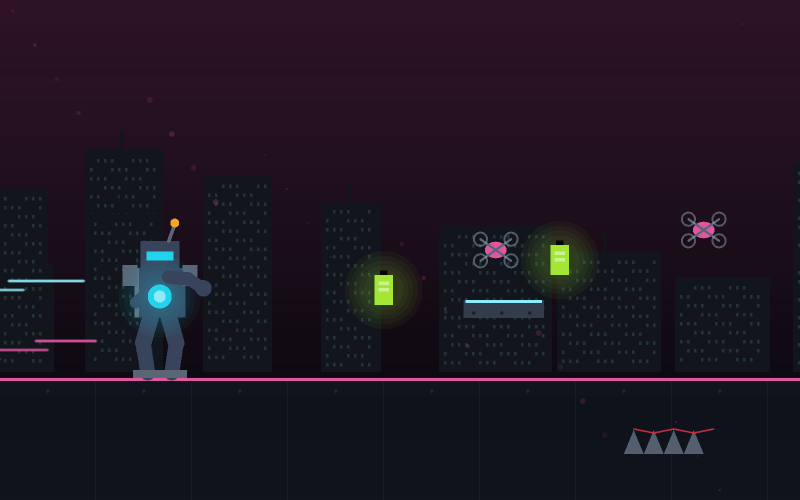
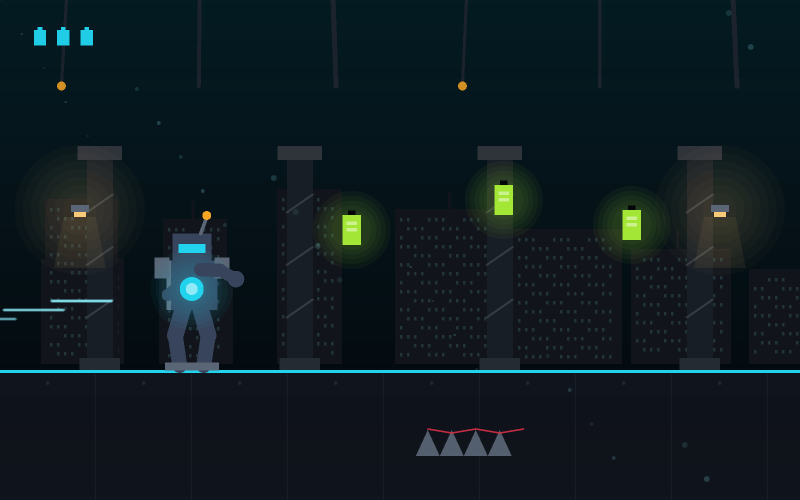
One button, one decision, and a gap between obstacles that keeps closing. The shortest game here.
Robot Arcade — Steel Reflexes. Built to Play.
Explore free robot arcade games featuring futuristic battles, mech challenges, robot racing, adventure missions and puzzles. Twelve original games built here and playable straight away in your browser — no download, no account, nothing to buy.
Games you played recently, remembered by your browser.
Hand-picked starting points across all six categories.
One button, one decision, and a gap between obstacles that keeps closing. The shortest game here.
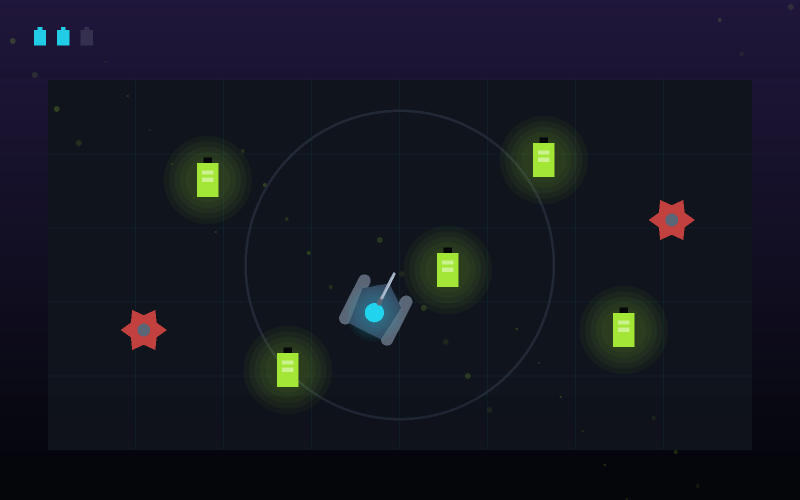
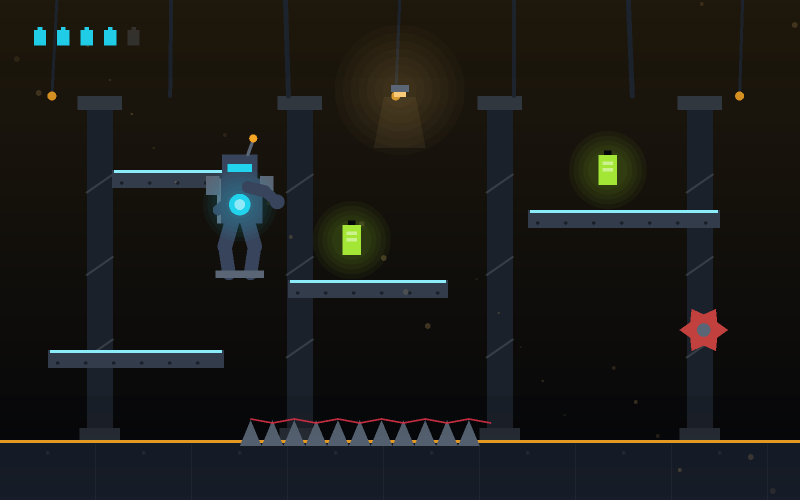
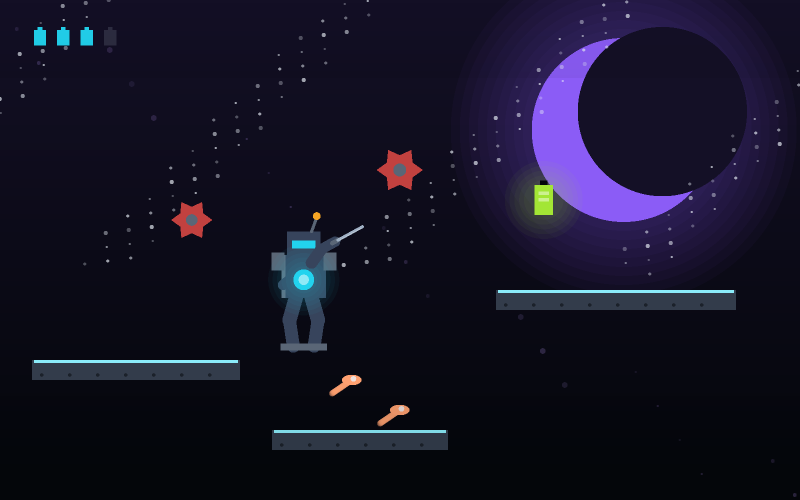
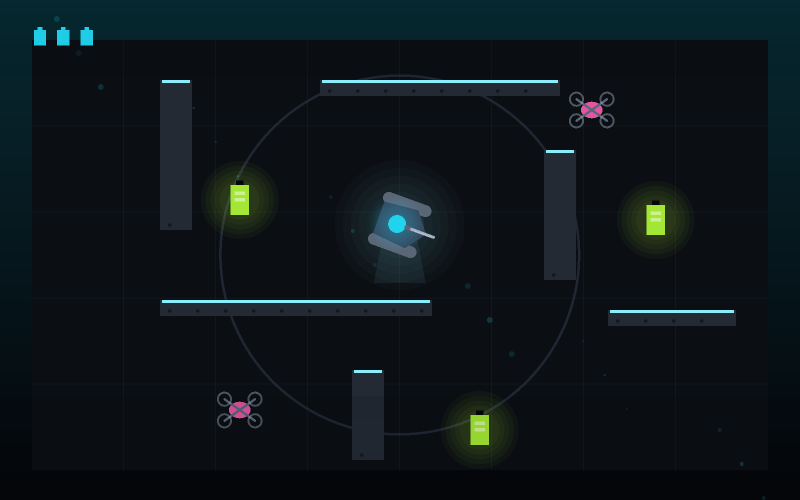
Gather energy cells while your own charge drains. Every cell you chase is a bet on getting back.
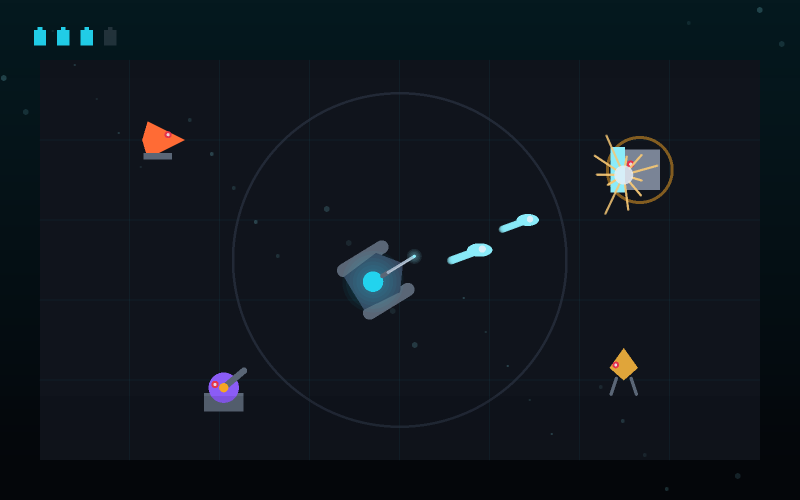
Top-down mech combat against waves that telegraph every attack. The game that teaches the combat system.
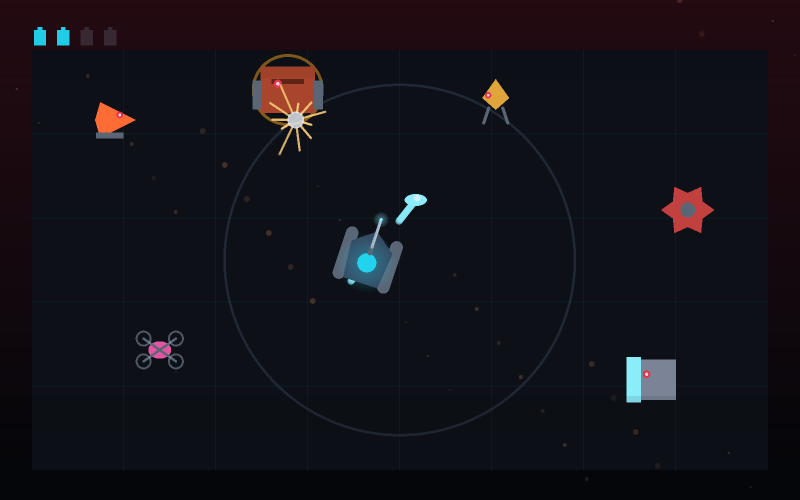
Survive as long as you can. No wave clears completely - the pressure never fully lifts.
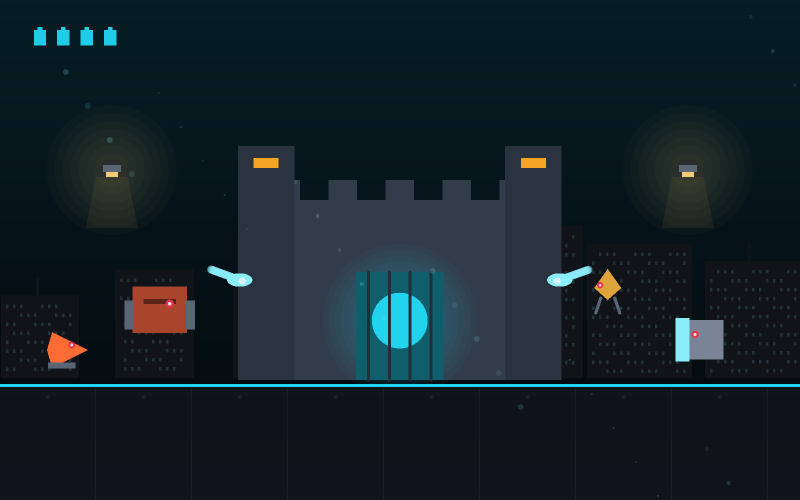
Keep a reactor core standing against waves of machines. The hard part is choosing what to ignore.
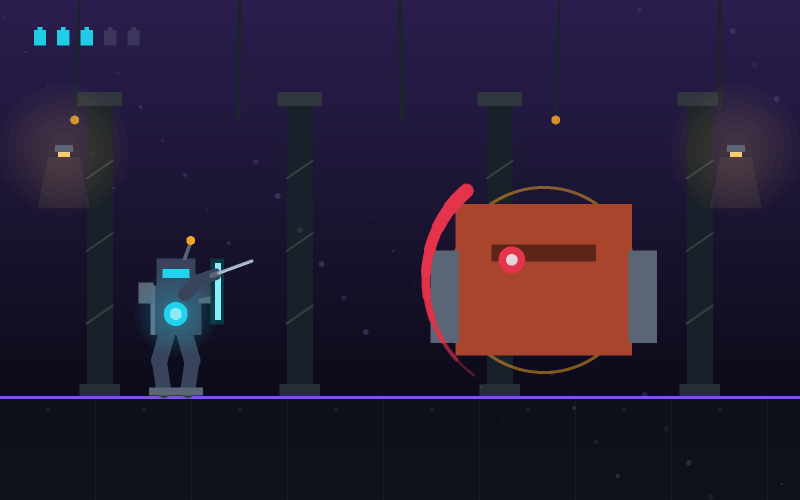
One enormous machine, four attack patterns, no randomness. A fight you solve rather than survive.
A robot running a futuristic city at rising speed. Jump, slide, collect, and read further ahead than feels comfortable.
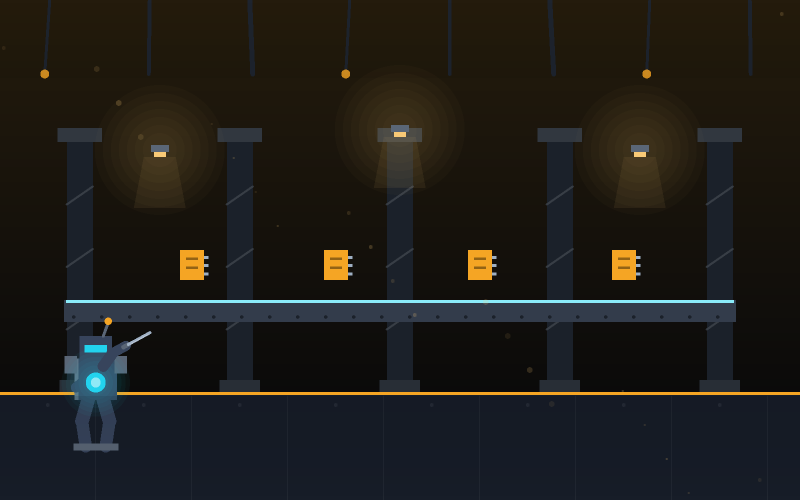
Climb out of a failing factory. The jump arc never lies - missed landings are about where you left from.
Ad space reserved. See README.md to connect an ad unit.
Six pillars, each one a different skill.
Pick-up-and-play robot games with one or two controls and a score you can beat in a minute.
3 gamesMech combat against machines that telegraph, stagger and punish you for attacking at the wrong moment.
2 gamesHeavier machines and longer fights: base defence against waves, and a boss with patterns worth learning.
2 gamesSpeed games where the road is the puzzle: reading obstacles far enough ahead to still have a choice.
2 gamesGames with a place to get out of: factory platforming, a maze under limited vision, and a rescue run.
3 gamesWritten guides to how robot arcade games actually work, and how to get better at them.
18 guidesThe most recently added games in the library.
Fly a damaged station on limited fuel, recover stranded robots, and plan the route home before you leave.
One enormous machine, four attack patterns, no randomness. A fight you solve rather than survive.
Find the exit with only a small radius of light, while drones patrol routes you have to learn.
Components come down the belt and you route each one to the right bay. Speed rises; accuracy is what scores.
Ad space reserved. See README.md to connect an ad unit.
Editor's picks across the six categories.
Find the exit with only a small radius of light, while drones patrol routes you have to learn.
These are editorial picks, not a popularity ranking. Robot Arcade has no accounts and no server-side storage, so it cannot measure how many people play a game and does not pretend to. Your own most-played list, counted in your browser, is on the popular games page.
Six reasons these games hold up past the first five minutes.
Cyan is you, amber is a warning, red is happening now. That rule never changes, so a game you have never opened is already half readable before you press start.
Every machine attack has a visible wind-up, a brief active window and a recovery you can punish. Fights are decided by when you commit, not by how fast you can press a button.
Enemies telegraph what they are about to do and never improvise. A boss that beats you twice is a boss you can solve, and what you learn carries into the next game.
Hit quality and a combo multiplier mean a clean short run out-scores a careless long one. Avoiding a single hit is usually worth more than landing three.
One thumb on a phone, keyboard and mouse on a desktop. Several games run on a single input, and nothing anywhere needs more than two presses at once.
Runs last between forty five seconds and a few minutes. Nothing here needs an evening, and nothing punishes you for stopping.
How the mechanics actually work, and how to play them well.
What the genre actually is, where it came from, how a run is structured, and what separates a good robot arcade game from a reskin.
Which robot games to play depending on what you actually want from the next ten minutes, and what each one is genuinely good at.
How mech combat actually works: the three attack phases, why deflecting beats blocking, power management, and the habits that separate winning from losing.
What makes a mech game a mech game rather than a robot game with big sprites, and which ones reward an arcade player's instincts.
The handful of habits that account for most of the gap between a casual player and a good one, and how to practise them deliberately.
How robot racing and running games actually work: reading ahead, why endless and timed games reward opposite instincts, and how to stop crashing.
Four rules that decide whether something belongs in the library.
Every game on this site was written for it. Nothing is an iframe pointing at someone else's server, so nothing can change, break or start showing its own ads without us knowing. It also means we can describe the mechanics accurately, because we wrote them.
A game goes live once it can be finished or survived on a real phone and a real keyboard, not once it runs. That is also when the controls, the difficulty note and the tips on its page get written, which is why they match what actually happens.
Enemies, telegraphs, scoring and colour meanings come from a shared engine. A game earns its place by adding something the library does not already have - a new decision to make - rather than by being a reskin of the game next to it.
Difficulty, controls and recommended device are filled in from playing the game. If a game is genuinely hard on a phone, its page says so rather than claiming it is fine.
Short-session browser games built around robots and machines - mech battles, robot racing, factory platforming, maze escapes and base defence. A run lasts between forty five seconds and a few minutes, difficulty rises inside the run rather than across unlocked levels, and the score is something you try to beat next time.
Yes. Every game is free to play with no download, no account and no payment. There is nothing to unlock and nothing to buy.
No. The games run directly in your browser using HTML5 Canvas, which every modern browser supports.
Yes, all twelve. Each supports touch, and four of them - Robot Jump Challenge, Robot Dash, Robot Power Collector and Robot Factory Sorter - need only a single thumb.
Robot Jump Challenge if you want to be playing within five seconds. Mech Arena if you want to learn the combat system the battle games share, because it shows the wind-up, the active window and the recovery on screen while you fight.
Most likely because you attack when you see the enemy move. That movement is its wind-up, so your recovery frames line up with its strike. Wait for the attack to miss, then hit it during the recovery that follows.
In your own browser's local storage. Scores never leave your device, are not linked to an account, and do not sync between devices.
No. The site has no accounts and no server-side storage, so it cannot produce honest global rankings and does not display invented ones.
The combat is non-graphic. Enemies are machines and they break into geometric shards; there is no blood or gore of any kind. The site is intended for a broad audience.
No. Every game, robot, boss, weapon, place and name here was created for this site, and all artwork and sound is generated rather than licensed.
The library launched with twelve and the architecture is built to grow. New additions appear on the New Games page with real release dates.