About robot adventure & puzzle games
Platforming is about the edge, not the jump
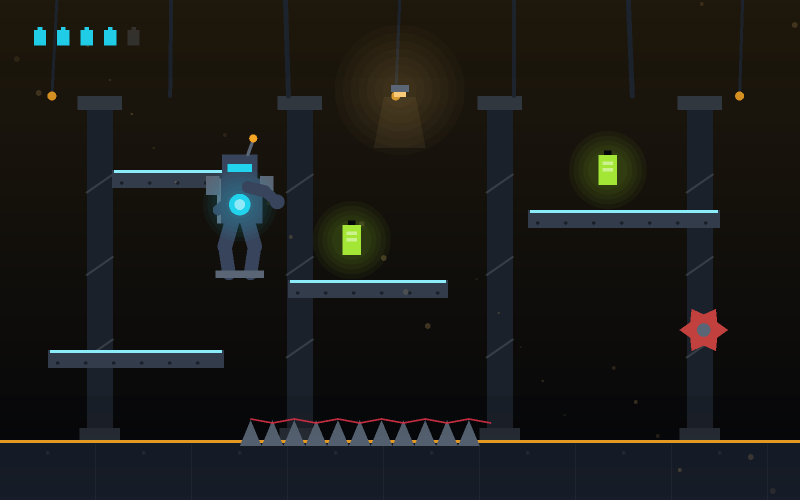
Robot Factory Escape is a platformer, which means most of its failures happen at the moment you leave a platform rather than in mid-air. The jump arc is fixed and predictable - once you have seen it twice you know exactly how far you go - so a missed landing is nearly always a mistake about where you jumped from.
The game gives you two small mercies that most players never notice and both of which are worth knowing about. You can still jump for a fraction of a second after walking off an edge, and a jump pressed slightly before you land is remembered and fires the moment you touch down. Neither makes the game easier in a way that shows; they just stop it punishing you for being a few milliseconds off.
The hazards are all telegraphed. Crushers move on a fixed cycle, hazard strips arc visibly before they become live, and nothing in the factory can kill you without having warned you first. If something felt unfair, it is almost always because you were moving faster than you were reading.
The maze is a memory game with the lights off
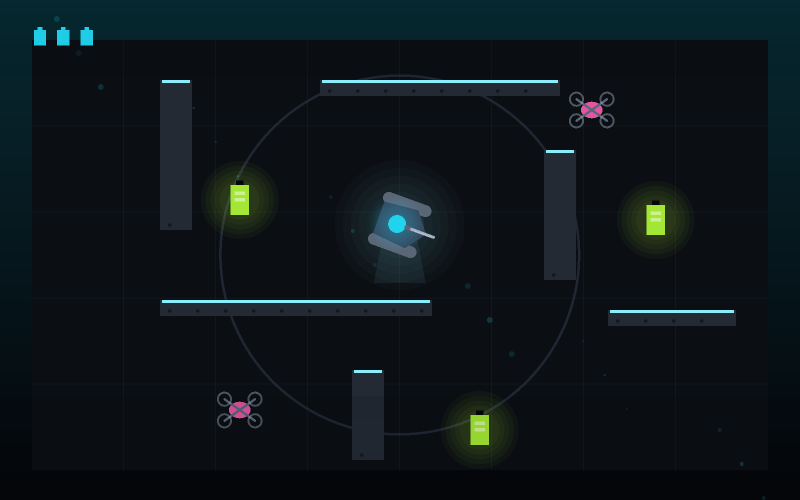
Robot Maze Escape only shows you a radius around your machine. The maze is fully generated before you start and never changes while you are in it, so everything you have already seen stays true - but you have to remember it, because the screen will not.
This inverts the usual advice about moving quickly. Sprinting down a corridor you have not mapped is how you meet a security drone with no idea where the nearest junction behind you is. Moving deliberately and keeping a rough sense of which direction you came from is slower per corridor and much faster overall.
The drones patrol fixed routes rather than hunting you. That means a corridor that was dangerous thirty seconds ago may be completely safe now, and a corridor you crossed safely may not be. Watching a patrol for a few seconds from a junction is almost always time well spent.
Space Robot Rescue: a resource you cannot refill
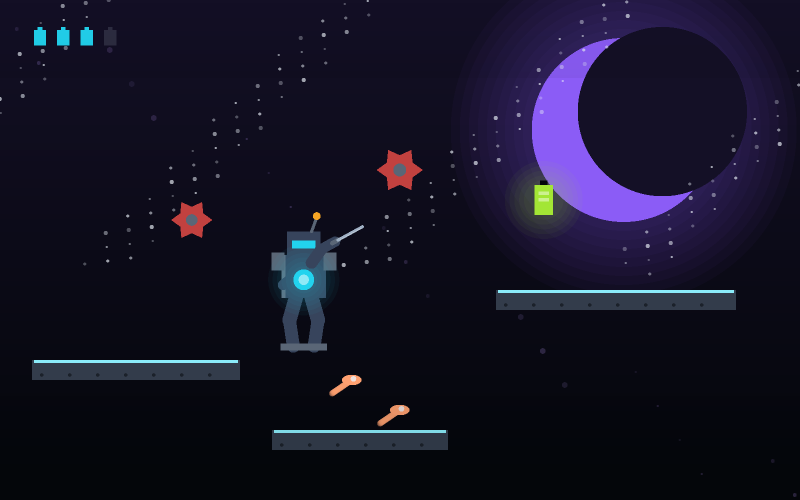
The rescue game gives you a thruster with limited fuel and a station full of damaged machines to reach. Fuel regenerates slowly when you are standing still and not at all while you are moving, which makes every crossing a question about whether you can afford the return trip.
The failure that catches people out is not running out of fuel mid-flight. It is arriving somewhere with a rescued machine in tow, no fuel, and a hazard cycle that makes standing still unsafe. Planning the route back before committing to the route out is the whole game.
Rescued machines follow you rather than being carried, which means they can be hit. A run where you collect four and lose two on the way home scores worse than a careful run with three, and the game is explicit about that in the results screen.
Why these games have no timer
None of the three run on a clock. That is unusual for arcade games and it is deliberate: a timer would turn all three into speed games, and the site already has a category for those.
What replaces the timer is a resource. Integrity in the factory, drone patrols in the maze, fuel in the rescue. Each one limits how much you can do without limiting how long you can think, which is what lets these games reward planning rather than reaction speed.
Tips for this category
- In Robot Factory Escape, judge the platform edge rather than the gap. Most missed jumps are launched from the wrong place.
- You can jump for a moment after leaving a ledge, and a jump pressed just before landing is remembered. Both are there to help you.
- In Robot Maze Escape, watch a patrol from a junction before crossing. Drones follow fixed routes and will come back the same way.
- Keep a rough mental note of which way you entered a junction from. The map does not remember for you.
- In Space Robot Rescue, plan the route home before you commit to the route out.
- Rescued machines follow you and can be destroyed. Three delivered safely beats five collected carelessly.