
About robot arcade games
What makes a game an arcade game
An arcade game asks you to do one thing well, over and over, slightly faster each time. There is no map to learn, no equipment to manage and nothing to unlock. You press start, you play until you make a mistake, and the whole loop takes long enough to matter and short enough that losing costs nothing.
That shape is older than browser gaming and it has survived because it respects the player's time. A run in this category lasts between forty five seconds and about two minutes. If you have five minutes you can have three goes and see genuine improvement between the first and the third.
The trade is that arcade games give you very little to hide behind. There is no difficulty setting to lower and no build to optimise. When a run ends badly it is because of something you did, which sounds harsh but is exactly what makes the next attempt interesting.
The three games in this category
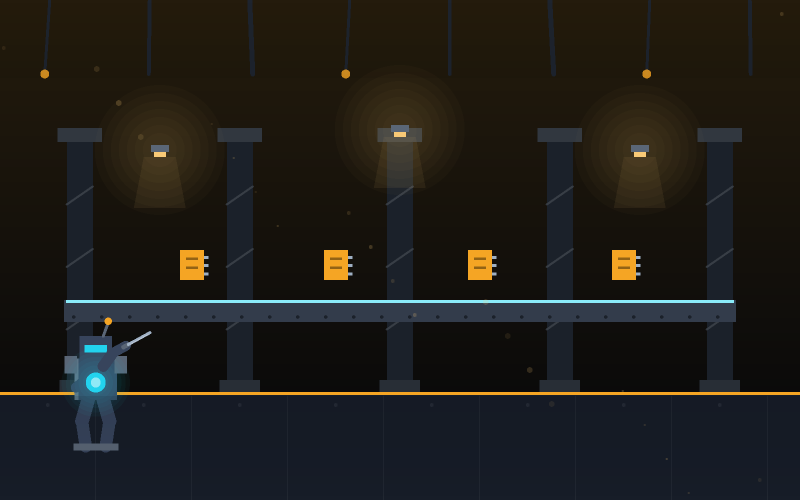
Robot Jump Challenge is the purest of them: one button, one decision, and a gap between obstacles that closes as your score rises. It is the game to open first, because it teaches the timing habit everything else on the site depends on without asking you to move, aim or manage anything.
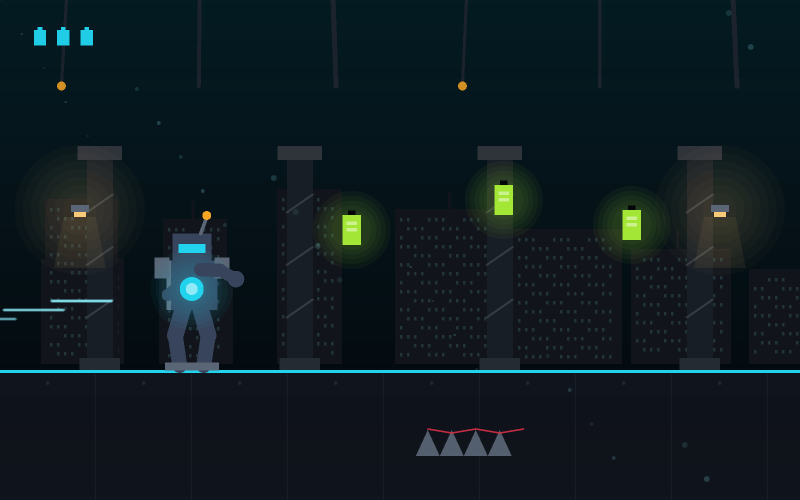
Robot Power Collector adds a second axis. You move, you gather energy cells, and you manage a charge meter that drains constantly and is refilled only by the thing you are collecting. It turns a simple collection loop into a series of small risk decisions about how far from safety you are willing to stray.
Robot Factory Sorter is the odd one out and the one people tend to keep open. Components come down a conveyor and you route each one to the correct bay. It is not about reflexes so much as about staying calm while the belt speeds up, and it is the only game here where a wrong answer costs more than a slow one.
Why the difficulty rises inside the run
None of these games have levels. Instead the difficulty curve lives inside a single run: obstacles arrive closer together, the belt moves faster, the charge drains quicker. The game you are playing at forty seconds is not the game you started.
This matters for how you should practise. A run that ends at fifteen seconds tells you almost nothing, because you never reached the part where the game gets interesting. Getting consistently to sixty seconds is worth far more than one lucky run to ninety, and it is also how you find out which specific speed band you keep failing at.
The curves are deliberately shallow at the start and flatten out rather than climbing forever. A run always ends because you made a mistake, not because the game reached a speed nobody could react to. That distinction is the difference between a challenge and a waste of time.
Reading the colour language
Every game on Robot Arcade uses the same three signal colours, and this category is where you learn them because there is so little else on screen. Cyan is you and anything that belongs to you. Amber is a warning: something is about to happen and you still have time to respond. Red means damage is live right now and touching it will cost you.
Once that is automatic, every other category becomes easier to read. A wall of enemies in Mech Arena is far less overwhelming when you already know that the amber ring around one of them is the only thing you need to react to this second.
Tips for this category
- Play for consistency before you play for a record - reaching sixty seconds three times in a row teaches you more than one lucky run to ninety.
- In Robot Jump Challenge, watch the gap between obstacles rather than the obstacle itself. The gap is what actually changes as the speed rises.
- In Robot Power Collector, never chase a cell that is further away than your remaining charge will carry you back from.
- In Robot Factory Sorter, a deliberate slow sort beats a fast wrong one: mistakes cost more than hesitation does.
- Use the pause key. These games are short, but nothing is lost by stopping to work out what killed you.
- Your best score is stored in this browser only, so playing on a different device starts you at zero again.